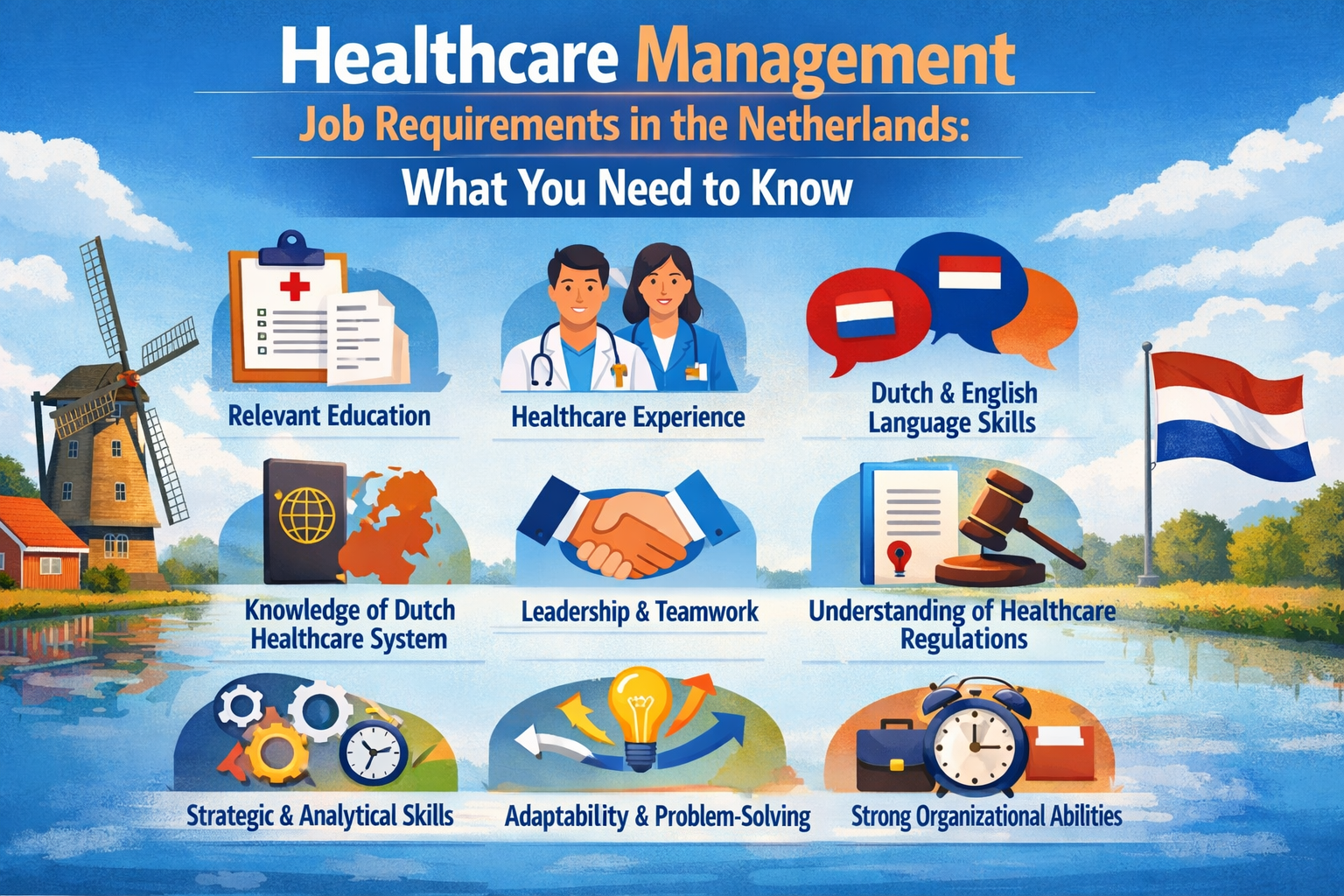
Learn about the required education, certifications, experience, and key skills needed to thrive in this growing field of medical administration.”
Healthcare management is a vital field that ensures the smooth operation of healthcare facilities, improving patient care and organizational efficiency. Professionals in this industry oversee a variety of tasks, ranging from managing medical staff to ensuring compliance with healthcare regulations. Whether you’re just starting or looking to advance your career in healthcare management, understanding the job requirements is crucial. In this article, we’ll explore the essential qualifications, skills, and certifications needed to succeed in healthcare management.
Skills Required for Healthcare Management Jobs
Below is a list of the key skills required for various healthcare management roles:
| Skill | Qualification/Experience |
|---|---|
| Leadership and Decision-Making | Strong leadership ability, experience managing teams, and making impactful decisions in high-pressure situations. |
| Communication Skills | Excellent verbal and written communication to interact with staff, patients, and stakeholders. |
| Financial Management | Proficiency in budgeting, financial analysis, and cost control in healthcare settings. |
| Knowledge of Healthcare Laws | Deep understanding of healthcare regulations like HIPAA and federal/state healthcare policies. |
| Problem-Solving Skills | Ability to analyze complex issues and develop effective solutions for operational and clinical challenges. |
| Technological Proficiency | Familiarity with healthcare management software, electronic health records (EHR), and data analytics tools. |
| Strategic Planning | Skills in planning and executing long-term strategies to improve patient care and operational efficiency. |
| Conflict Resolution | Capability to resolve disputes between staff, patients, and management, ensuring a positive workplace environment. |
| Adaptability | Willingness to adapt to new technologies, policies, and changes in the healthcare industry. |
| Patient-Centered Approach | A focus on improving patient outcomes and ensuring high-quality care delivery. |
What is Healthcare Management?
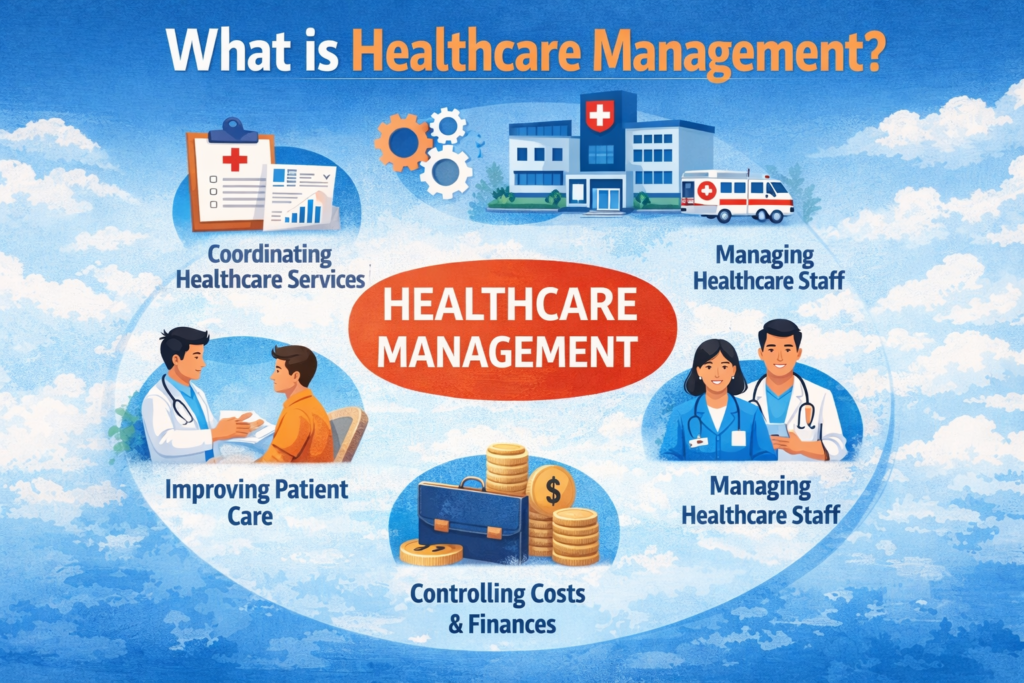
Healthcare management involves overseeing the administrative aspects of healthcare systems, such as hospitals, clinics, and nursing homes. Professionals in this field are responsible for ensuring efficient operations, improving patient services, and leading healthcare teams. They may hold roles such as healthcare administrators, medical office managers, or health services managers.
Key Healthcare Management Job Requirements
1. Educational Qualifications
A foundational requirement for healthcare management is a strong educational background. Healthcare management roles typically require a combination of healthcare-related education and leadership skills. Below are some common educational requirements:
- Bachelor’s Degree: A bachelor’s degree in healthcare administration, public health, business administration, or a related field is typically required for entry-level positions. This degree provides a broad understanding of healthcare systems, management principles, and business practices.
- Master’s Degree: For more senior positions, such as hospital administrators or executives, a master’s in healthcare administration (MHA) or an MBA with a healthcare focus is often required. These programs offer in-depth knowledge in health policy, strategic management, and finance.
- Relevant Courses: Some healthcare management roles may require specialized coursework in areas like healthcare law, human resources, financial management, and health information technology.
2. Certifications and Licensing
While not always mandatory, certain certifications can enhance a candidate’s qualifications and improve their chances of landing a job in healthcare management. Some relevant certifications include:
- Certified Healthcare Administrator (CHA): This certification validates your ability to manage healthcare operations and services, ensuring you meet industry standards.
- Fellow of the American College of Healthcare Executives (FACHE): This prestigious credential is awarded by the American College of Healthcare Executives and is highly regarded within the healthcare management field.
- Certified Medical Manager (CMM): This certification is ideal for those working in smaller healthcare settings or managing medical practices. It demonstrates proficiency in medical office management.
These certifications not only boost your credibility but also indicate a commitment to continuous professional development.
3. Relevant Work Experience
Experience in healthcare settings is crucial for those pursuing careers in healthcare management. Healthcare managers are expected to have a solid understanding of both the administrative and clinical sides of healthcare. Here’s what to consider:
- Healthcare Work Experience: Experience working in a healthcare environment (e.g., hospitals, nursing homes, or medical offices) helps develop an understanding of daily operations. Roles like administrative assistant or clinical coordinator are excellent entry points for building experience.
- Leadership Experience: Having prior management or leadership experience is essential, as healthcare management involves overseeing staff, making critical decisions, and ensuring effective operations.
4. Key Skills for Healthcare Management
Apart from formal qualifications, healthcare managers need a combination of soft and hard skills to succeed. Here are the key skills required:
- Leadership and Decision-Making: Effective leadership is essential in healthcare management. Managers must lead teams, inspire staff, and make informed decisions that impact patient care and organizational outcomes.
- Communication Skills: Strong communication skills are necessary for collaborating with staff, patients, and other stakeholders. Clear communication ensures that goals are understood and policies are followed.
- Problem-Solving Skills: Healthcare managers must address operational challenges, from financial issues to staffing shortages, in a timely and efficient manner.
- Financial Management: Knowledge of budgeting, financial reporting, and resource allocation is crucial in healthcare management. Managers must ensure that healthcare facilities are financially sustainable while maintaining high standards of care.
- Knowledge of Healthcare Laws and Regulations: Healthcare managers must stay up-to-date with laws and regulations governing the healthcare industry. This includes compliance with HIPAA (Health Insurance Portability and Accountability Act) and other federal or state regulations.
5. Technology and Healthcare Information Systems
In today’s healthcare landscape, technological proficiency is becoming increasingly important. Healthcare managers are often responsible for overseeing electronic health record (EHR) systems and ensuring their proper use. Familiarity with health information technology (HIT) tools is an asset.
- Electronic Health Records (EHR): Knowledge of EHR systems helps healthcare managers maintain accurate patient data, improve care coordination, and reduce errors.
- Healthcare Analytics: Data analytics is used to track patient outcomes, improve operational efficiency, and make informed decisions. Understanding how to analyze healthcare data is becoming an essential skill.
6. Personal Attributes
Certain personal qualities also play a critical role in the success of healthcare managers:
- Empathy: While healthcare managers may not interact directly with patients daily, understanding patient needs and ensuring staff is compassionate is an important quality.
- Adaptability: The healthcare industry is constantly evolving. Being adaptable and open to change is essential to staying ahead in the field.
- Attention to Detail: Managing healthcare operations requires a high level of attention to detail, whether it’s managing patient care records or ensuring compliance with regulations.
How to Build a Career in Healthcare Management
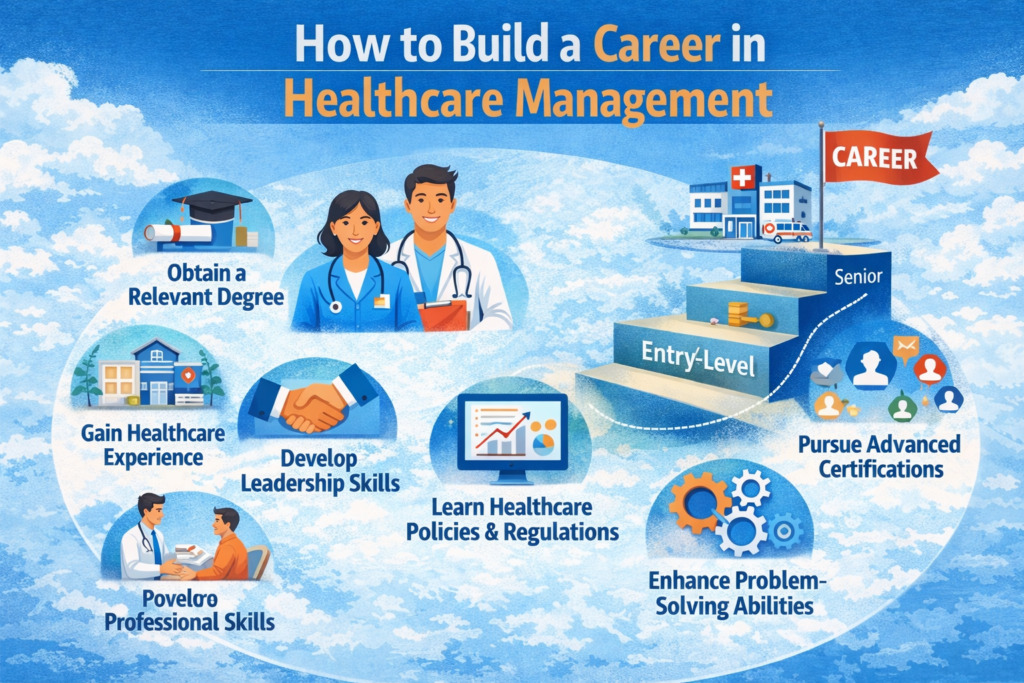
1. Pursue Relevant Education and Training
As previously mentioned, obtaining a bachelor’s or master’s degree in healthcare management or related fields is the first step in building your career. You can also gain expertise by enrolling in online courses, attending industry conferences, or completing certifications.
2. Gain Hands-On Experience
Whether it’s through internships or entry-level positions, hands-on experience will help you understand the healthcare environment and build valuable industry connections.
3. Network with Professionals
Networking is key in healthcare management. Joining professional organizations like the American College of Healthcare Executives (ACHE) or attending industry events can help you connect with peers and stay up-to-date with industry trends.
4. Stay Updated on Industry Trends
The healthcare industry is constantly evolving, with new technologies, regulations, and care models emerging regularly. Keeping up with these changes through journals, blogs, and continuing education will give you an edge in the job market.
Conclusion
Healthcare management offers exciting and rewarding career opportunities for those with the right qualifications, skills, and passion for improving patient care. Whether you’re entering the field or looking to advance, having the right educational background, certifications, work experience, and leadership qualities will help you succeed. By staying updated on industry trends and continuing to develop your expertise, you can make a significant impact on the healthcare system while advancing in your career.